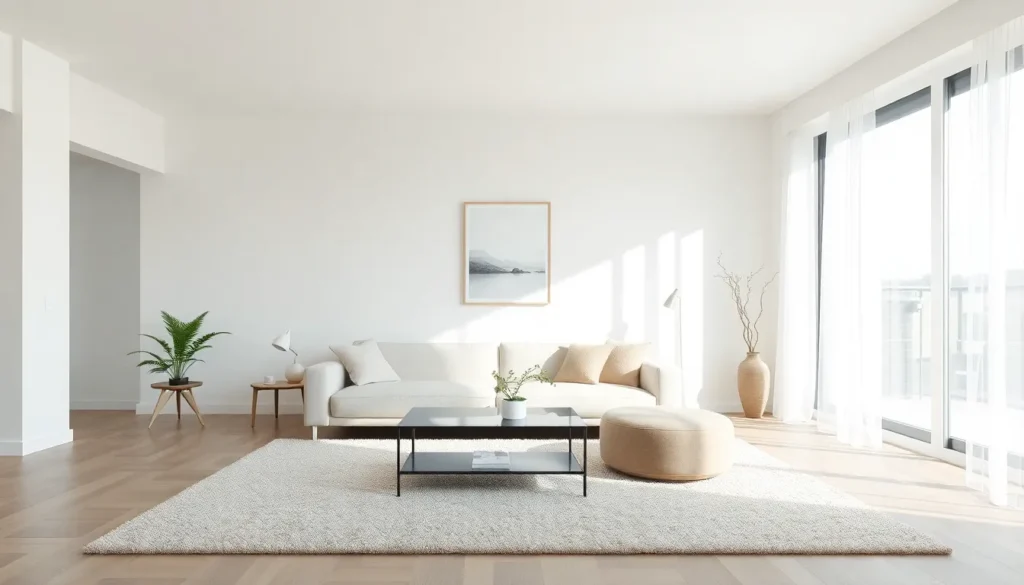
In a world overloaded with unnecessary gadgets and flashy decor, the concept of modern minimalist living room design has emerged like a beacon of calm. Picture this: clean lines, open spaces, and a serene atmosphere that feels almost therapeutic. Who wouldn’t want to kick back in a space that embodies tranquility? If you’re not sure where to start, you’re in luck. Today we’ll break down the essentials of creating a stunning minimalist living room that not only serves your aesthetic but also promotes a clutter-free lifestyle, all while keeping it professional yet fun.
Understanding Modern Minimalism
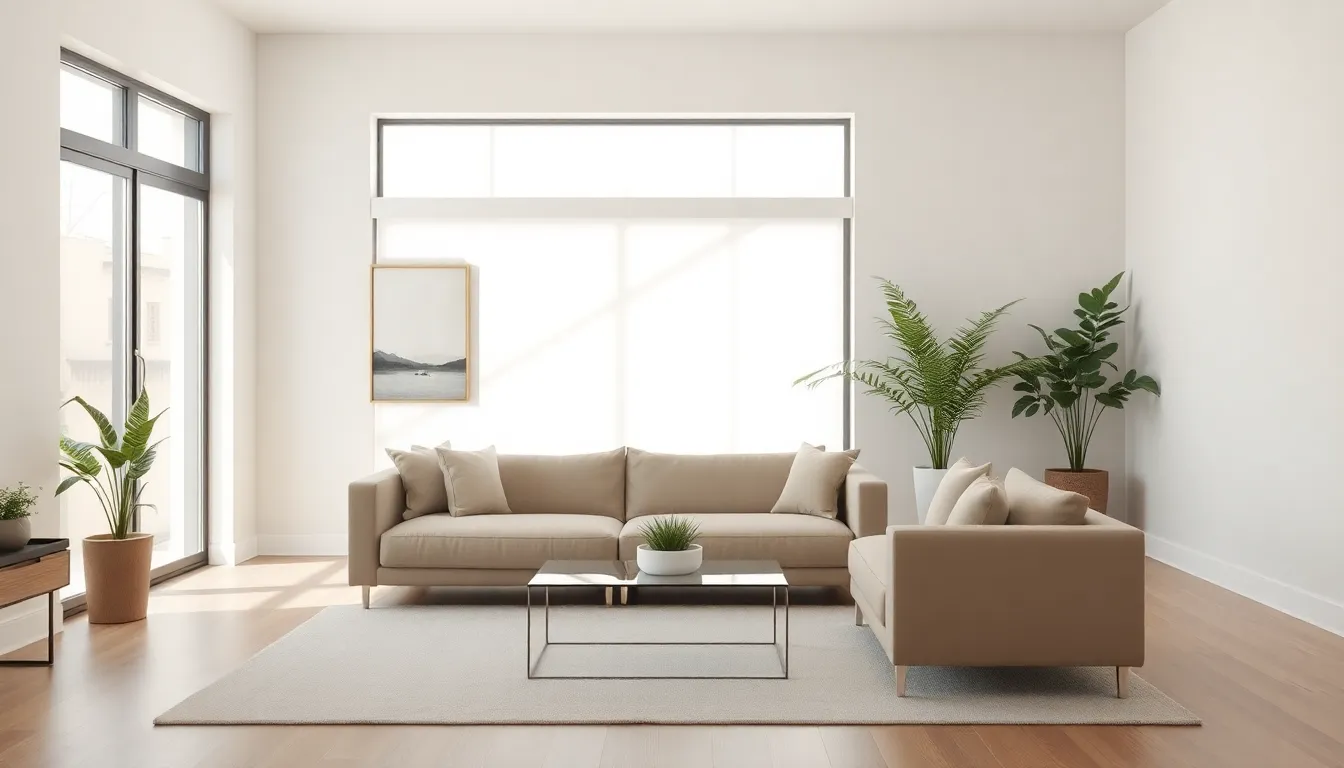
Modern minimalism isn’t just about throwing away half your things and calling it a day. It’s a design philosophy that embraces simplicity and functionality, promoting the idea that less really is more. At its core, minimalism invites individuals to pare down their possessions to only what is necessary, allowing for a more peaceful living space. This approach encourages thoughtful, intentional design choices, where every item tells a story or serves a purpose. In this fast-paced world, modern minimalism offers an escape from visual noise and sensory overload, making your living space a personal sanctuary.
Key Principles of Minimalist Design
When embarking on a minimalist design journey, a few key principles guide the way. First off, functionality reigns supreme. Each element in a minimalist living room should serve a purpose, no more dust collectors or decor that doesn’t resonate. Harmony and balance follow closely, where colors, shapes, and textures work together to create a cohesive look. A neutral color palette enhances the sense of tranquility, while natural materials can bring warmth and texture. Finally, negative space, yes, empty space, plays a crucial role, allowing the eye to rest and the mind to feel at ease.
Essential Elements of a Minimalist Living Room
Creating the perfect minimalist living room revolves around carefully selecting essential elements that harmonize with each other.
Color Schemes and Textures in Minimalist Design
When it comes to color schemes, think light and airy. Whites, beiges, soft greys, and pastels create a serene backdrop that feels expansive. Textures hold significance, too: a plush rug or a beautifully crafted wood coffee table can add layers without overwhelming the space. Layering these textures invites warmth into an otherwise stark environment.
Furniture Selection and Arrangement
Furniture should not only be aesthetically pleasing but also functional. Opt for pieces with clean lines and incorporate multifunctional items, such as ottomans that serve as both seating and storage. Arrange furniture to create an open flow, ensuring there’s enough room to navigate comfortably without feeling cramped. Consider the scale of each piece: oversized furniture can dominate a space and contradict minimalist principles.
Incorporating Natural Light
Natural light is the silent hero of minimalist design. Large windows or strategically placed mirrors can enhance the light that enters an area, making it feel more open and inviting. Positioning furniture to avoid blocking windows allows for uninterrupted light flow. For those who love a little privacy but still wish to enjoy natural sunlight, sheer curtains or blinds can provide that perfect balance. The goal is to elevate the space’s brightness while maintaining a sense of warmth and comfort.
Decorative Accents and Personal Touches
While minimalism urges simplicity, it doesn’t mean devoid of personality. Carefully curated decorative accents can provide that personal flair. Choose a few pieces that resonate deeply, be it a piece of art, a statement vase, or a beloved travel souvenir. The key is moderation, too many decor items can clash with the minimalist aesthetic. Select accents that are both meaningful and functional, creating an environment that feels like home while adhering to minimalist values.
Maintaining a Clutter-Free Space
A clutter-free space is essential for embracing the minimalist lifestyle. Regularly assess items in the room: ask if they add value or joy to your life. A ‘one in, one out’ rule can help maintain balance, every time something new enters, something old should be removed. Designate specific storage solutions to keep things organized and out of sight, ensuring that surfaces remain clean and free of distractions. A well-maintained minimalist living room serves as a reminder to embrace simplicity in all areas of life.