Picture this: an open, airy room that exudes calmness, where each piece is thoughtfully chosen, and where the sofa is a distant memory. It sounds liberating, doesn’t it? Minimalist living rooms without sofas are not only a trend but also a statement, one that says ‘I value space and simplicity.’ Whether you’re looking to declutter or desire a more expansive environment, embracing a sofa-free setup can lead to countless unexpected benefits. Let’s immerse and explore how you can create a stunning minimalist living room without the need for a bulky sofa.
Understanding Minimalist Design Principles
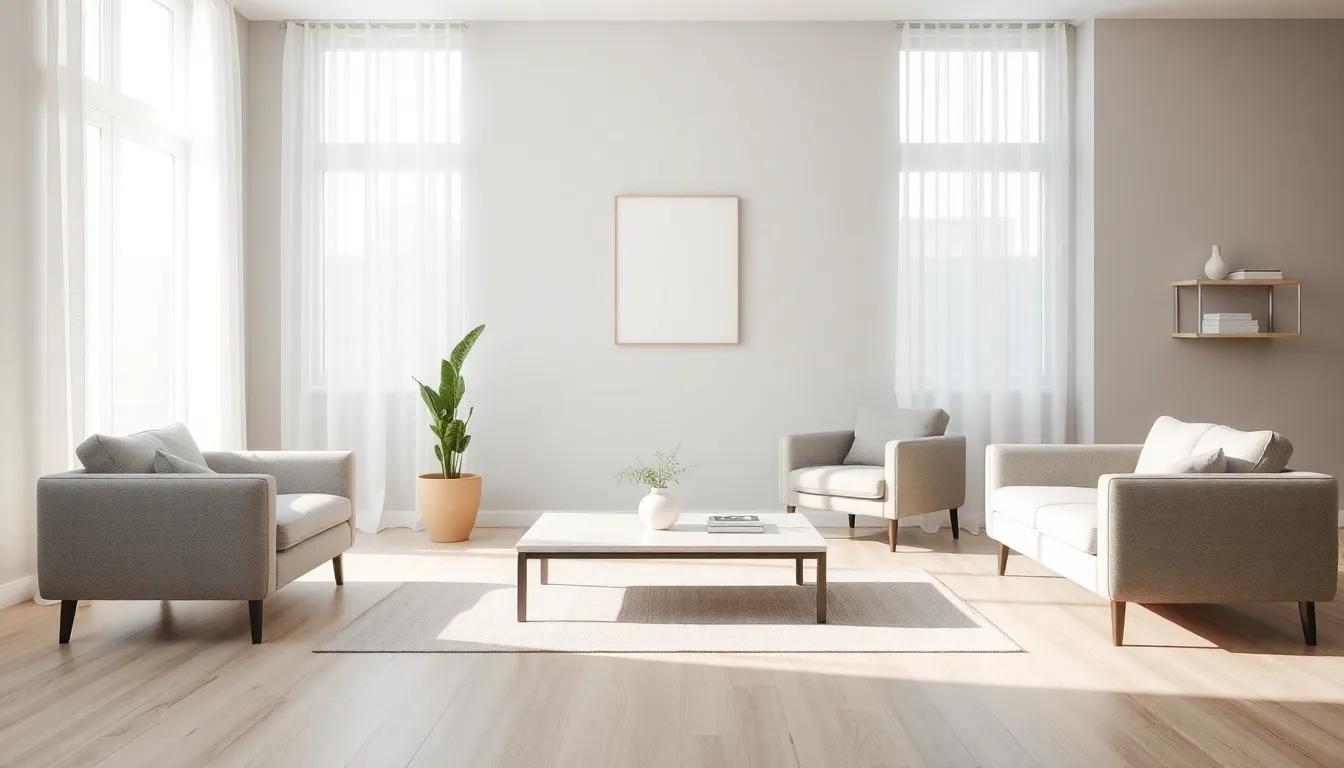
Minimalism is more than just a design choice: it’s a lifestyle. It emphasizes simplicity, functionality, and the beauty of fewer things. In a minimalist living room, less truly is more. Every piece should serve a purpose or evoke joy. Think clean lines, neutral colors, and open spaces. Create a layout that enhances flow and functionality while inviting tranquility.
A space devoid of clutter promotes mental clarity and peace. This philosophy can transform your home into a serene haven. The minimalist movement teaches us to strip away excess while keeping what truly matters. So, incorporating multifunctional furniture or decluttering can be empowering, allowing a focus on quality over quantity.
Benefits of a Sofa-Free Living Room
Saying goodbye to traditional sofas opens a world of possibilities. First and foremost, it maximizes floor space, allowing for better movement and organization. In smaller homes, freeing up this space can make a significant difference.
Furniture Alternatives for a Minimalist Living Room
Consider chairs or floor cushions as alternative seating options. Bean bags, poufs, or stylish lounge chairs can create a relaxed ambiance. They also tend to be lighter and more versatile, enabling easy rearranging. This flexibility is ideal for entertaining guests or cozy evenings in.
Creating Functional Zones
Without a sofa anchoring the room, establishing distinct functional zones becomes essential. Create an inviting reading corner with a chair and a small side table. Maybe even designate an area for board games or crafts with a low table and plush pillows. Each zone can serve a different purpose, appealing to various activities while maintaining a minimalist aesthetic.
Incorporating Multi-Functional Pieces
Multi-functional furniture is the superhero of minimalist design. Think about nesting tables, ottomans with storage, or convertible chairs that transform into beds. These pieces can save space while providing versatility, perfect for those who love to entertain.
Choosing the Right Decor and Accessories
Decor and accessories play a crucial role in defining the character of a minimalist living room. Opt for items that reflect personality but don’t overcrowd the space. Choosing a few, high-quality decorative elements can create focal points without overwhelming the eyes.
Color Schemes and Textures for a Cozy Feel
Select a neutral color palette with occasional pops of color. Soft beiges, grays, and whites can form a tranquil backdrop, while vibrant art or accents can breathe life into the space. Textures are equally important, mix wood, metal, and fabrics to add depth without clutter.
Maximizing Natural Light
No minimalist living room feels complete without ample natural light. Use sheer curtains to ensure that sunlight floods in. Mirrors strategically placed can also reflect light and make the room feel larger. Aim for a bright and airy vibe that uplifts and inspires.