Picture this: a living room that feels open, airy, and blissfully clutter-free. Minimalist living room furniture isn’t just a trend: it’s a lifestyle that celebrates the beauty of simplicity while radiating elegance. If you think minimalism is all about empty spaces and stark whites, think again. It’s about curating a space that reflects personality without overwhelming the senses. Let’s jump into the world of minimalist decor and discover how to create a sophisticated living area that doesn’t just impress, but also invites relaxation and conversation.
Understanding Minimalist Design
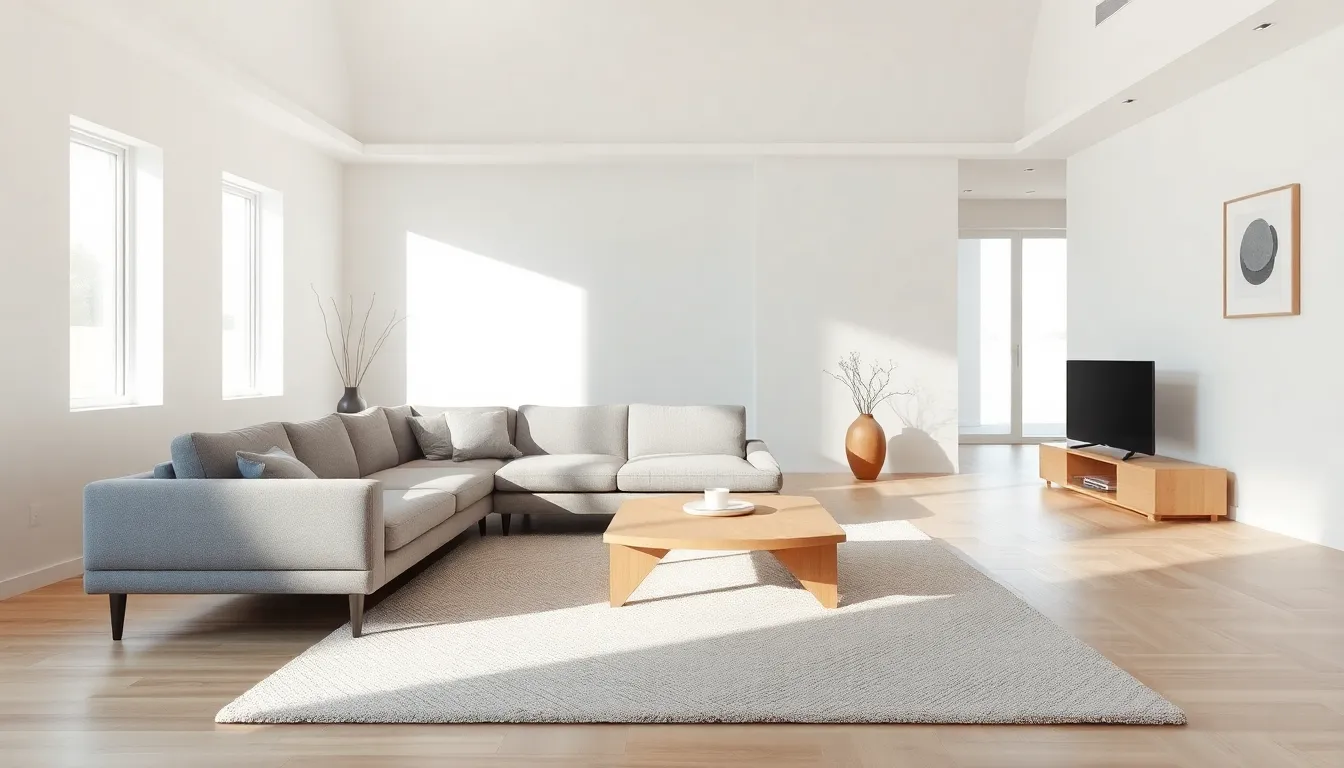
Minimalist design isn’t simply about reducing clutter: it’s a philosophy rooted in functionality and aesthetic simplicity. At its core, minimalism encourages individuals to focus on what truly matters by eliminating excess. The key tenet here is to create a harmonious environment using only the essentials. Imagine a living room with clean lines and open space, inviting you to breathe deeply and enjoy a little serenity amidst the chaos of modern life.
In minimalist design, every piece serves a purpose and must earn its place in the room. Whether it’s a sleek sofa or a unique coffee table, everything should contribute to the overall ambiance. Now, it’s vital to understand that minimalist doesn’t equate to boring. Instead, it invites a thoughtful selection of colors, materials, and textures that together create an appealing visual narrative.
Principles of Minimalist Living Room Furniture
When it comes to minimalist living room furniture, certain principles should guide one’s choices to ensure that the decor aligns with minimalist values.
- Functionality over Form: Each piece should be functional and serve a clear purpose. Think of furniture that can accommodate multiple roles, like a storage ottoman.
- Quality over Quantity: Investing in fewer, high-quality pieces is preferred over a multitude of less durable items. Look for craftsmanship that stands the test of time.
- Neutral Tones: Opt for a color palette that is calming yet inviting. Soft neutrals often set the stage perfectly for minimalist spaces.
- Declutter: Invite open spaces by removing unnecessary items or furniture. A well-organized area feels more expansive.
- Simplicity: Your choices should embody simplicity in design. Pieces with clean lines and minimal ornamentation enhance the airy feel of the room.
Essential Minimalist Furniture Pieces
Imagine stepping into a living room furnished only with essentials that are just as aesthetically pleasing as they are functional. Here are some key pieces to consider:
- Sofa: A low-profile sofa with clean lines is a staple. Look for modular options that can adapt to different seating needs.
- Coffee Table: Choose a simple, geometric design in natural materials like wood or glass. This piece should stimulate conversation while remaining visually unobtrusive.
- Side Tables: Nesting tables work well, offering versatility in smaller spaces. They can be easily moved around or stored when not in use.
- Storage Solutions: Opt for minimal, stylish storage options that blend in rather than dominate. Think about using storage benches or sleek cabinets.
- Accent Chairs: A statement chair can add character without being overwhelming, so look for one that complements your color palette and style.
Choosing the Right Color Palette
In minimalist design, color sets the stage for the overall vibe of the room. Soft, neutral tones often create a peaceful atmosphere. Shades of white, beige, gray, and soft pastels can work beautifully together to foster a calm environment. Here’s how to craft the perfect palette:
- Base Color: Start with a light and airy base color for your walls, making the room feel larger and more open.
- Accent Colors: Choose one or two accent colors to inject subtle splashes of personality. Cool blues, greens, or warm earth tones can harmoniously contrast with neutrals.
- Textures: Layer different textures to enhance visual interest without overloading the senses. A velvet cushion or a woven throw can add much-needed warmth.
Experiment with swatches before committing, as light conditions can shift colors throughout the day. The right balance can transport your living area from dreary to dreamy.
Maximizing Space with Minimalist Furniture
In a world where space seems increasingly limited, maximizing every square inch is vital, especially in a minimalist living room. Here are some tips:
- Multi-Functional Furniture: Look for items like a coffee table that doubles as storage or a sofa bed for guests. These pieces reduce clutter by serving more than one purpose.
- Vertical Space: Use vertical space to create a broader feel. Wall-mounted shelves or tall bookcases draw the eye upwards, making the room feel taller.
- Open Layout: If possible, keep the flow of the living area open. Avoid heavy rugs or bulky furniture that disrupt movement.
- Mirrors: Incorporating mirrors can enhance light and create an illusion of depth, making any living room feel more spacious.
Incorporating Accessories and Decor
Minimalist living doesn’t mean stripping out all decor: rather, it encourages a curated approach. Accessories can add interest and personality without creating chaos. Consider the following:
- Art Pieces: A single large artwork can make a bold statement without overwhelming the space. Choose something that resonates personally yet maintains a minimalist aesthetic.
- Plants: Adding greenery softens the strict lines often found in minimalist designs. Select one or two plants that can thrive indoors, bringing a touch of nature inside.
- Textiles: Incorporate textures through minimal curtains or a throw blanket, just to add a bit of warmth and comfort without cluttering the visual field.
Less is often more, focus on a few well-placed accessories that tell a story or evoke memories.
Maintaining a Minimalist Living Room
Achieving a minimalist living room is just the beginning: maintaining that serene aesthetic is an ongoing process. Here are some strategies to keep the space fresh:
- Regular Decluttering: Schedule time monthly to go through belongings. If something doesn’t spark joy or serve a purpose, it might be time to part ways.
- Organize: Carry out smart organizing solutions. Baskets or decorative boxes can hide potential clutter while still looking chic.
- Stay Mindful: When purchasing new items, ask if they genuinely add value to your space. It’s tempting to collect, but restraint is a minimalist’s best friend.